Last updated
How many units do you actually need?
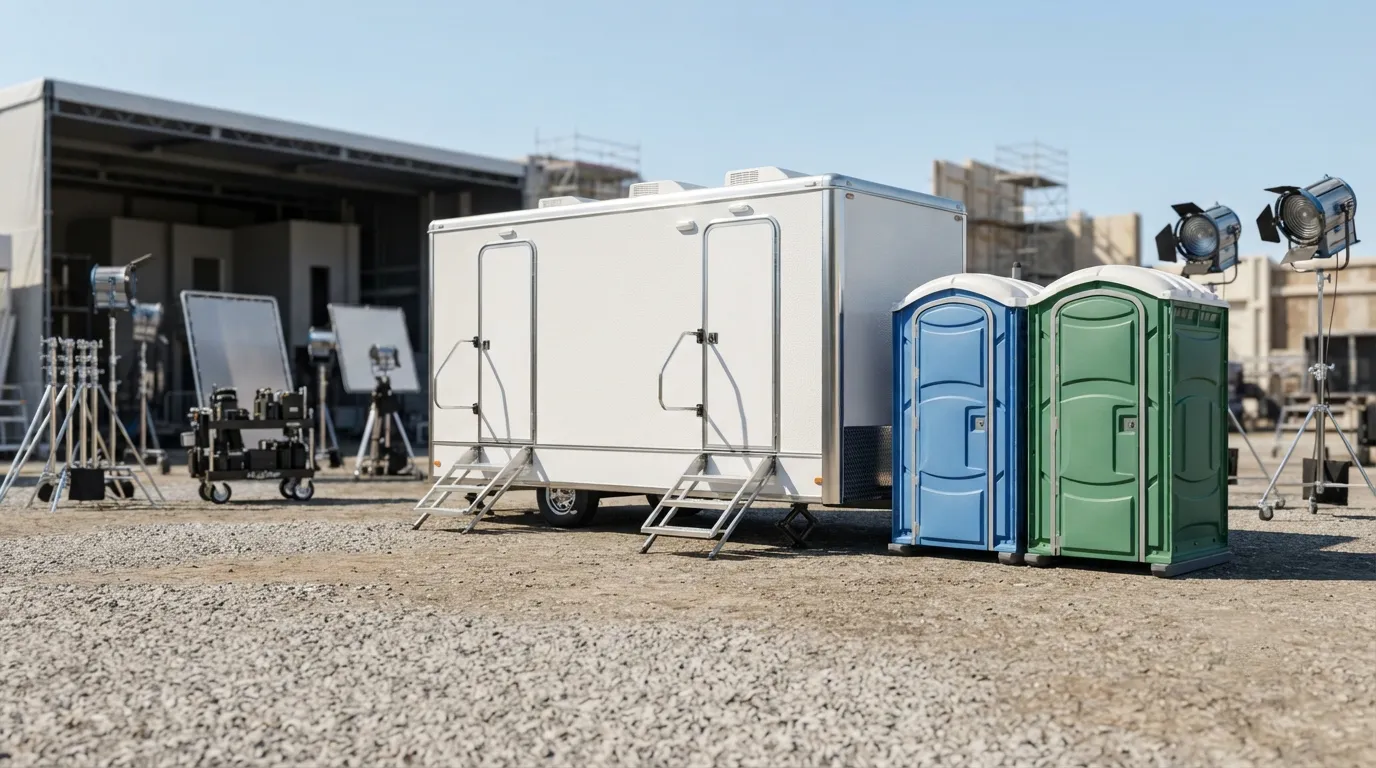
Start with a head count, not a guess. OSHA 1926.51(c) sets the baseline for construction crews: one toilet for 20 workers or fewer, then a toilet and urinal per 40 workers once you pass that mark, scaling down to one per 50 at 200-plus workers. For events, industry practice under ANSI/PSAI Z4.3 treats one unit as good for about 10 users across a 40-hour week, which is why a wedding crowd needs more units per head than a job site running the same hours. Farms and ag operations fall under a different rule, OSHA 1928.110, which calls for one facility per 20 hand-labor employees within a quarter mile walk. If you're not sure which bucket you're in, our guide on how many porta potties you need walks through the math, and the full OSHA breakdown covers the rest of the table. Most Sparks jobs land on a standard unit, but bigger crews sometimes mix in a portable restroom or two for overflow.
What unit type fits your job?
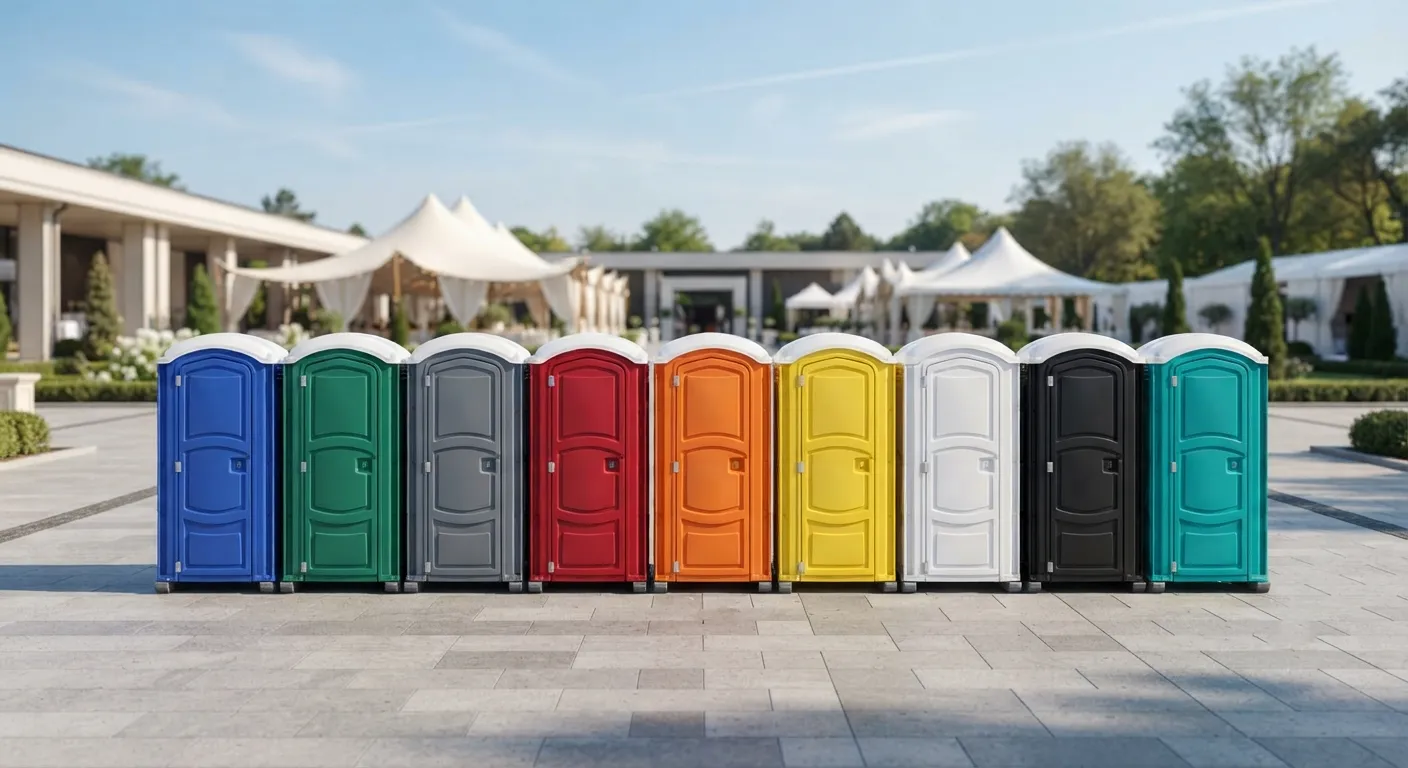
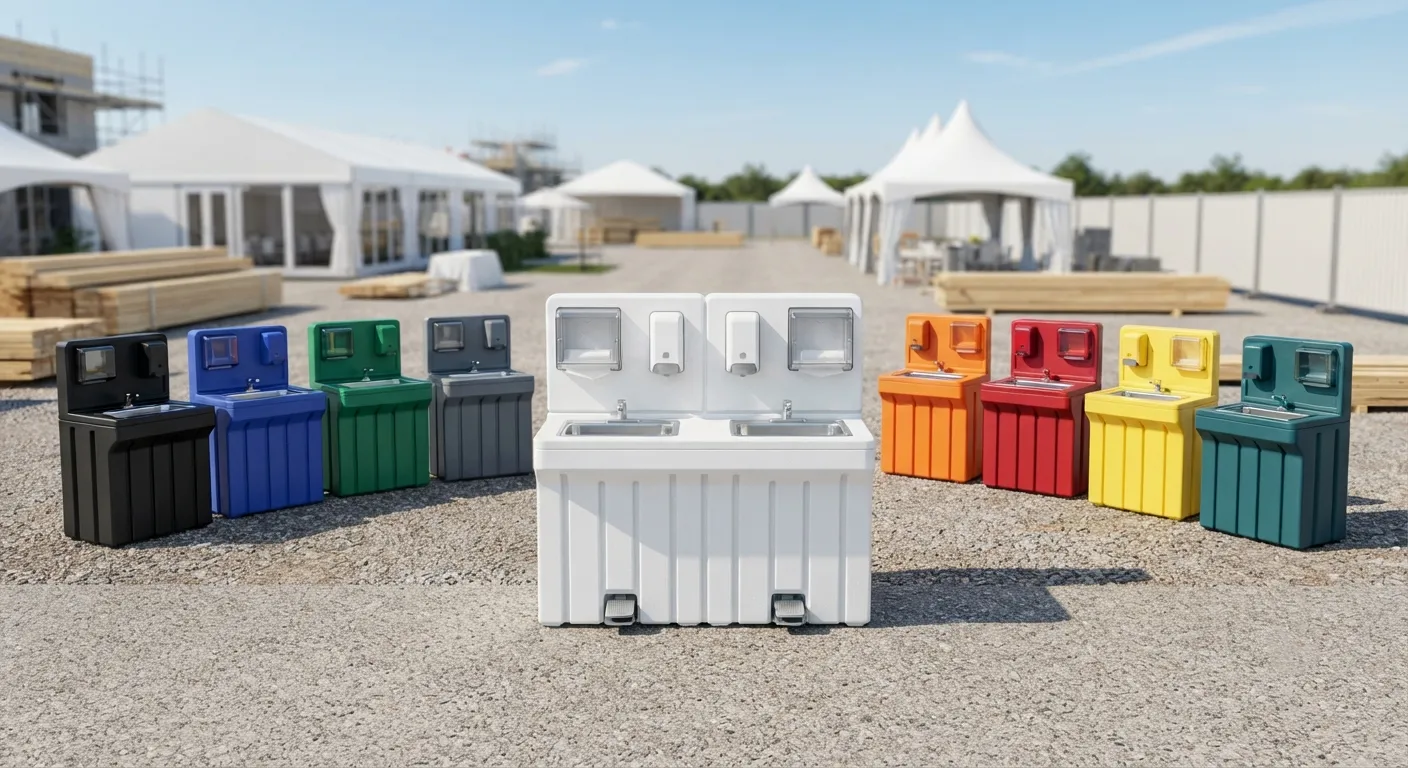
A standard unit runs about 44 by 48 inches on the ground and stands roughly 92 inches tall, with a 60 to 70 gallon holding tank underneath. That's fine for a driveway pour or a weekend of home renovation work. For anything with paint, coatings, herbicides or insecticides on site, OSHA 1926.51(f)(1) kicks in and requires washing facilities, so pair the toilet with a handwashing station or portable sink. Events with a dress code or a longer guest stay usually do better with a deluxe flushable unit. Accessibility matters too: ADA Standards 213.2 requires at least 5 percent of clustered units to be accessible, never fewer than one, and an ADA accessible unit needs to meet the 36 inch clear route width in ADA 403.5.1 and the 60 inch turning circle in ADA 304.3.1. If the guest list runs into the hundreds, look at a restroom trailer instead, sized as a 2 stall, 4 stall, or 8 stall depending on headcount.
Where should the unit go?
Flat, stable ground first. ADA 302.1 calls for surfaces that are stable, firm and slip resistant, and that standard is worth following even on non-ADA units, since a tilted toilet is a service headache. Leave a clear path to the door: ADA 404.2.3 sets minimum door opening width at 32 inches, so don't wedge a unit against a fence or a stack of lumber. If you're renting a roll-off dumpster for the same project, remember it needs about 60 feet of straight clearance behind the delivery truck, so plan the layout for both before anyone shows up. Placement on a public street or sidewalk in Sparks needs confirming with the city before delivery day; we haven't verified a specific right-of-way rule, so don't assume it's automatic. Our placement guide and permit requirements page cover the questions to ask before you commit to a spot. For fenced sites, a temporary fence rental or chain link fence keeps units secure overnight.
When should you book and how long can you keep it?
Book 5 to 7 days ahead for a standard job, longer for weekend events when demand spikes across Sparks and nearby Sun Valley, 6.2 miles northwest. Rental length changes the math: a standard unit priced by the day costs more per day than one priced by the week, and a week costs more per day than a month. Here's how that breaks down.
| duration | typical price |
|---|---|
| day | $150 |
| week | $200 |
| weekend | $250 |
| month | $200 |
Weekend rates sit a little above the weekly rate per day because of quick turnaround and pickup, so a Friday-to-Sunday event usually lands in that weekend band rather than a straight daily rate. For exact numbers tied to your job, check porta potty rental cost, rental per day, or monthly rental pricing before you request a quote. Long jobs in Sparks, especially ones running past a month, usually save money on the monthly rate compared to renting week to week. If a storm or a burst pipe creates a sudden need, our emergency rental page covers same-window options.
How often does the unit get serviced?
Standard service follows the ANSI/PSAI Z4.3 baseline of one visit per week for up to 10 users over a 40 hour stretch, though busier events need more frequent pumps. Handwashing units under 29 CFR 1910.141(d)(2) need soap and a towel or dryer, not just sanitizer. See our cleaning schedule guide for specifics.
Do porta potties need a permit in Sparks?
Sometimes, depending on placement. Right-of-way and sidewalk placement needs confirming with the city; we have not verified a specific Sparks ordinance number, so ask before delivery. Our permit requirements page lists the questions to bring to that call.
What if my event is bigger than one or two units?
Scale by headcount first, then by hours. A large festival or fair often needs a restroom trailer instead of scattered standard units. Check festival restrooms or county fair restrooms for setups matched to bigger crowds.
Can I rent a handwashing station separately?
Yes. Many job sites order a handwashing station alongside toilets, especially where OSHA 1926.51(f)(1) applies to paint or chemical work. Hand sanitizer stations don't meet that standard on their own.
Does winter change anything on this checklist?
Yes, service intervals and placement both shift with cold weather. Freezing tanks need different handling than summer months. Our winter guide covers what changes before you book.
Next step
Get a delivery date
Tell us the address, the dates and the headcount. We size the order and confirm the route.