
Last updated
How Many Porta Potties Do I Need for OSHA Compliance?
Start with the crew count on your busiest shift, not your average day. Under OSHA 1926.51(c)(1), a crew of 20 or fewer needs one toilet facility, full stop. Once you cross 20 workers, the math shifts to 1 toilet seat and 1 urinal per 40 people, and at 200 or more it drops to one set per 50. A 35-person framing crew in Sparks needs two combined units, not one. Run the numbers before you call, because guessing low is the mistake that gets flagged. Our how many porta potties do I need page walks the math in more detail, and if your crew spans multiple trades stacking hours on one lot, treat it as one site for counting purposes. Renting a standard porta potty rental by the day runs different money than committing to a monthly porta potty rental, so nail the headcount first, then shop duration. Agricultural crews fall under a separate standard, OSHA 1928.110, which sets one facility per 20 hand-labor employees within a quarter mile walk.
What Does Cal OSHA Say About Portable Toilet Requirements on Construction Sites?
Nevada follows federal OSHA rules rather than running its own state plan like California's Cal/OSHA, so the ratios you plan against are the federal 1926.51(c) table, not a separate state standard. Contractors who've worked jobs across the state line sometimes ask about Cal OSHA portable toilet requirements construction crews use in California, expecting something stricter here. It's a fair question, but Sparks sites answer to the same federal ratio as the rest of Nevada. What does carry over is good practice: potable water on site under 1926.51(a)(1), and handwashing stations wherever crews are applying paints, coatings, herbicides or insecticides, per 1926.51(f)(1). That last one isn't a blanket handwashing mandate, it only kicks in with those specific contaminants. General industry sites, as opposed to construction, fall under 1910.141(c)(1)(i) instead, a different ratio table for shops, warehouses and yards.

What Are OSHA Portable Toilet Distance Requirements?
OSHA does not publish a fixed foot distance from workstation to toilet. What it does require is a facility available and accessible during the shift, which in practice means placing units where crews can reach them without walking off the job for ten minutes. The field sanitation standard for agriculture, 1928.110, does set a hard number: a quarter mile walk, maximum, to the nearest facility. Construction sites don't get that specific number, so plan placement around foot traffic and site layout instead. Our porta potty placement guide covers ground stability and clearance, both of which matter more on Sparks sites with gravel or unfinished grade. Keep 60 feet of straight clearance behind the delivery point for the truck, since that's what a standard delivery needs to set units without backing across active work. If your site has an ADA-accessible route requirement, that path needs a 36 inch clear width under ADA Standards 403.5.1, and any accessible door needs at least 32 inches clear per 404.2.3.
Does OSHA Require ADA-Accessible Portable Toilets?
OSHA itself doesn't set the ADA accessibility ratio, but where you're clustering standard toilets on a public-facing job or event, ADA Standards 213.2 requires at least 5 percent of clustered single-user units to be accessible, with a minimum of one no matter how small the cluster. That means a Sparks event with eight standard units needs at least one ADA accessible porta potty in the mix. Accessible units also need a 60 inch turning circle inside per ADA 304.3.1, and reach ranges limited to 48 inches high and 15 inches low under 308.2.1. If you're running a mixed fleet for a construction crew that also hosts public tours or inspections, budget for at least one accessible unit even if your headcount alone wouldn't require it. Check our ADA restroom requirements page for the full spec list, and see restroom trailer rental options if you'd rather solve accessibility and standard capacity in one trailer instead of a mixed cluster.
Do I Need Handwashing Stations Separate From Toilets?
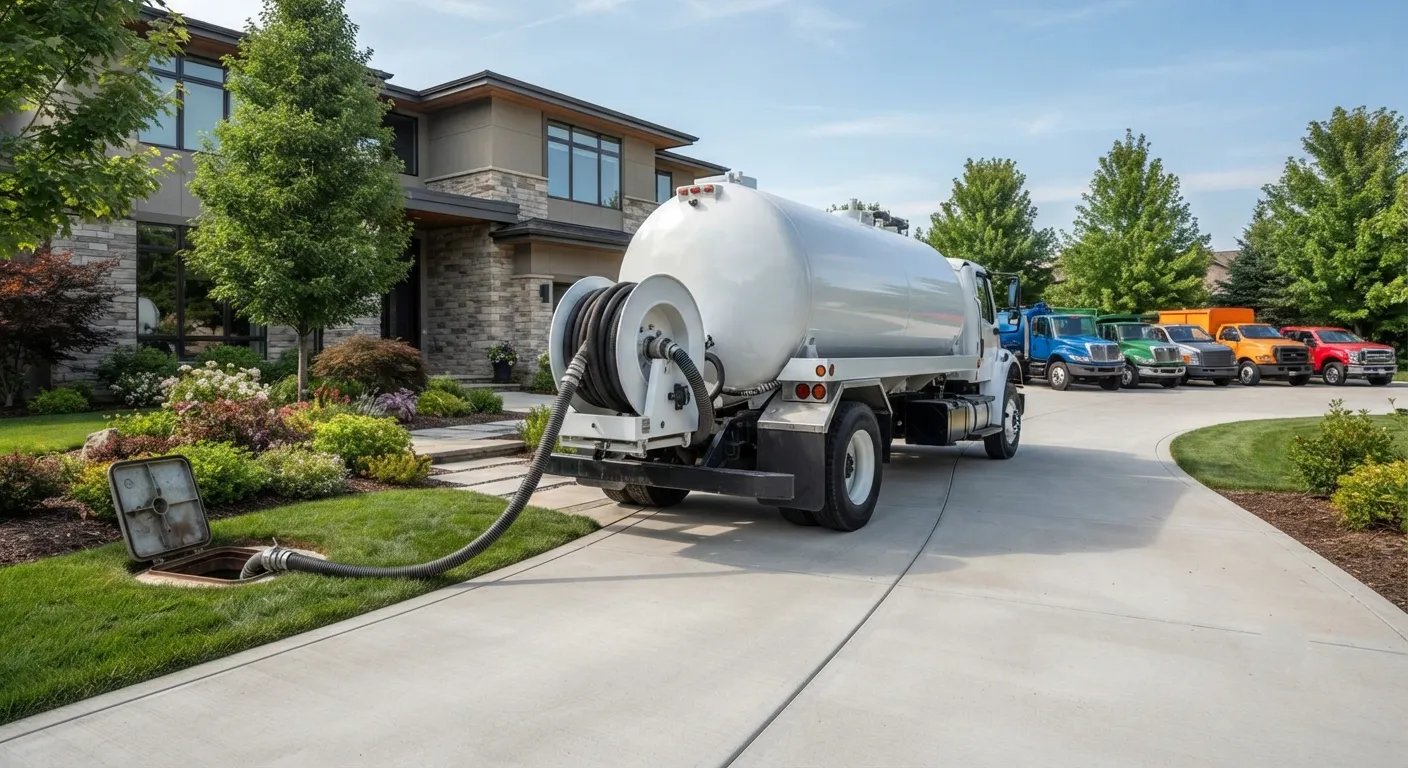
Yes, when contaminants are involved. 1926.51(f)(1) requires washing facilities specifically where workers apply paints, coatings, herbicides or insecticides, not as a general rule for every job site. Separately, 29 CFR 1910.141(d)(2) requires soap and towels or a hand-drying device wherever washing facilities exist; hand sanitizer alone doesn't satisfy it. A portable sink rental covers both angles cleanly. Painting crews and anyone spraying herbicide around a Sparks job site should plan for a wash station near the work zone itself, not just at the toilet cluster by the gate.
Frequently Asked Questions
How many porta potties does OSHA require for a 30-person crew?
Two combined units, minimum. Under 1926.51(c)(1), crews of 20 or fewer need one toilet; once you pass 20, the ratio moves to one toilet and one urinal per 40 workers, so a 30-person crew rounds up into that second bracket. Check our OSHA portable toilet requirements breakdown before ordering.
Are Cal OSHA portable toilet requirements different from federal OSHA?
Nevada follows federal OSHA, not Cal/OSHA, so Sparks contractors use the 1926.51(c) ratio table. Crews who've worked in California sometimes expect a stricter state standard here; it doesn't apply. The federal table governs every construction site in Sparks and across Nevada.
Do OSHA rules set a maximum distance to the nearest toilet?
Not a fixed number for construction. Agriculture has a hard quarter-mile limit under 1928.110, but 1926.51(c) just requires toilets be reasonably available during the shift. Placement should follow foot traffic patterns; see the porta potty placement guide for layout tips.
Does every job site need an ADA-accessible unit?
Only when units are clustered for public or mixed use. ADA Standards 213.2 requires at least 5 percent of a cluster be accessible, with one unit minimum regardless of cluster size. A single-unit job site with no public access typically doesn't trigger it.
What is the OSHA rule for handwashing on a paint crew?
1926.51(f)(1) requires washing facilities specifically for crews applying paints, coatings, herbicides or insecticides. It's not a general handwashing mandate for every trade. Pair it with soap and towels per 1910.141(d)(2); sanitizer alone won't meet the standard on inspection.
Next step
Get a delivery date
Tell us the address, the dates and the headcount. We size the order and confirm the route.